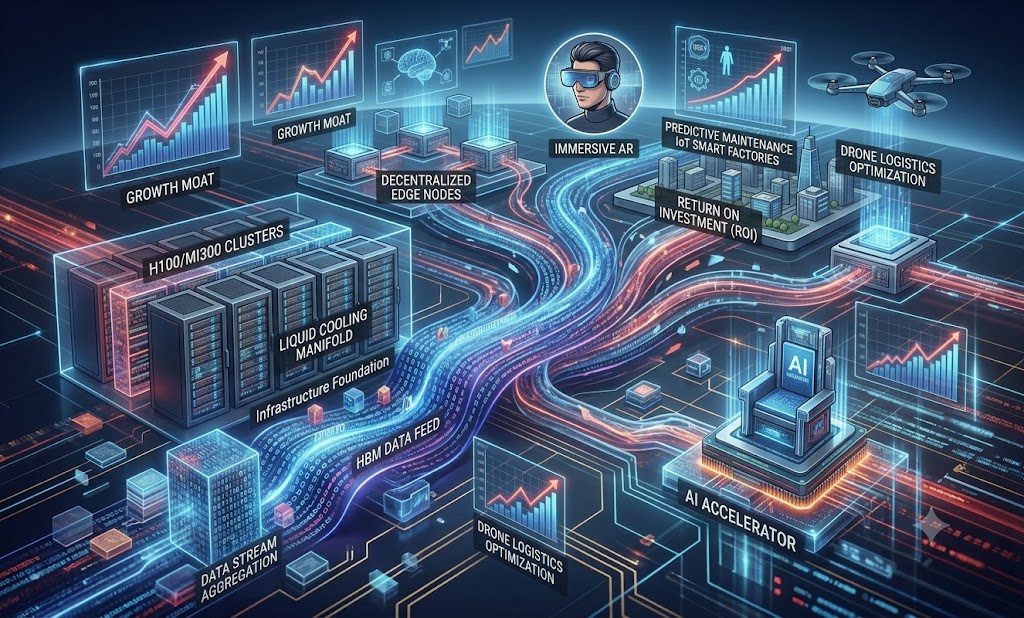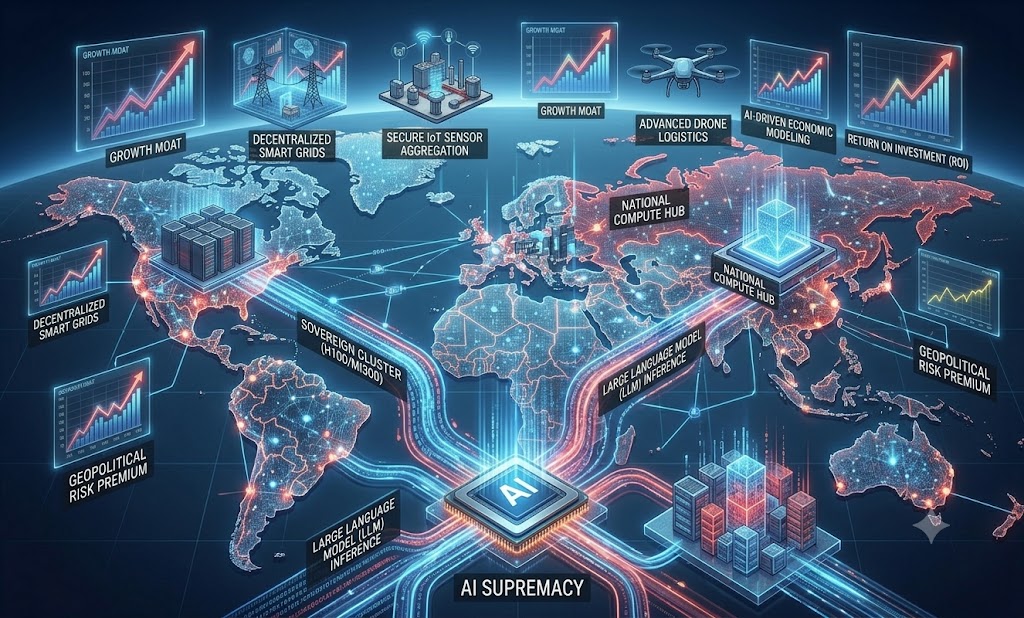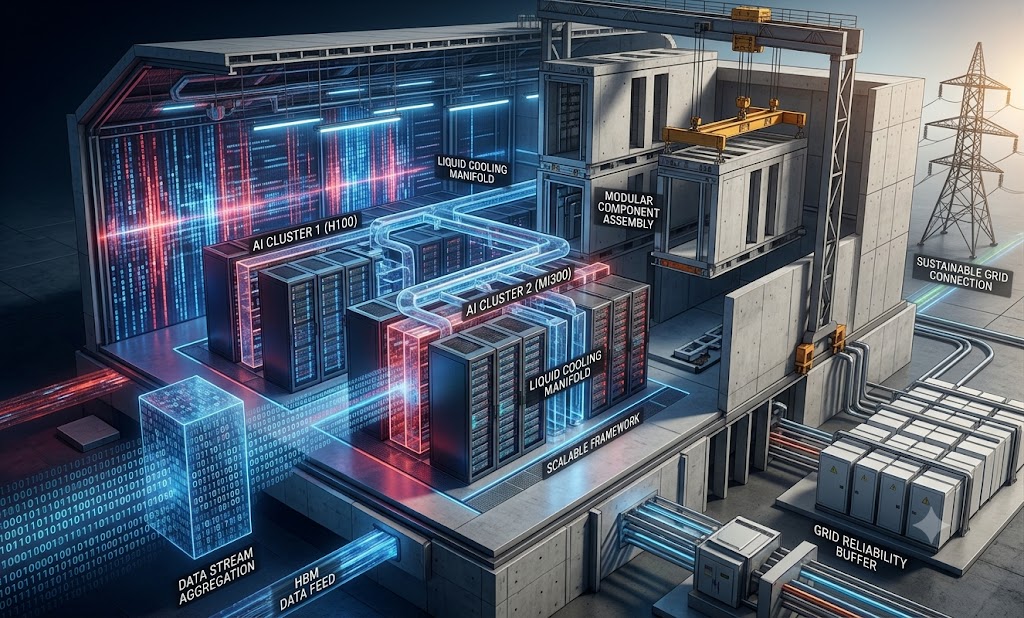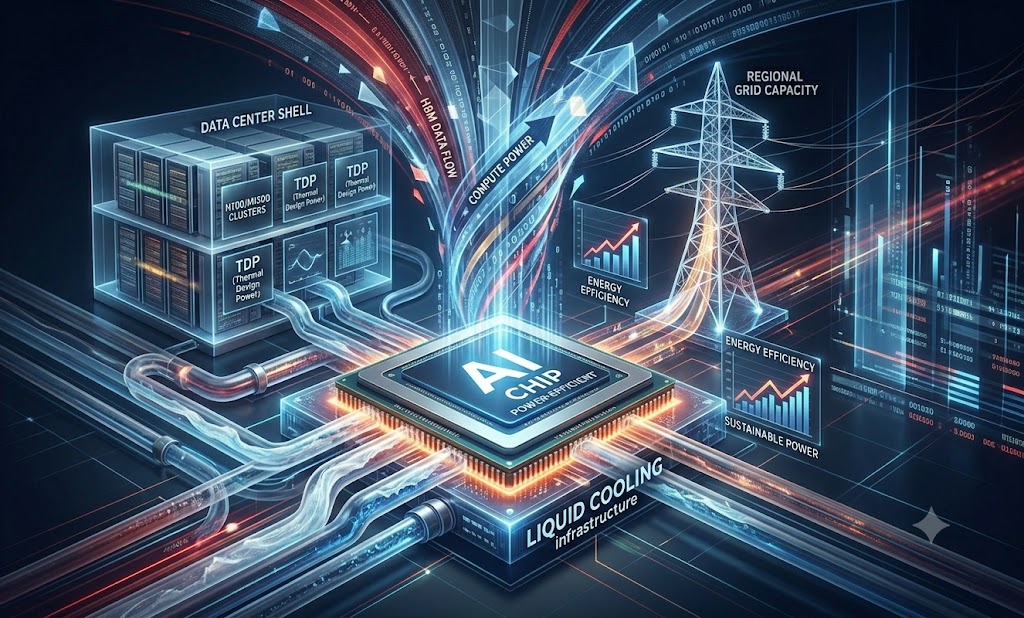
The AI revolution is not just about chips; it’s about physics. As we stack thousands of H100s and MI300s into single clusters, the challenge of powering these systems and keeping them cool has become the new primary constraint, often referred to as the “Power Wall.”
Why Power and Cooling are the New “Oil”
- The Power Wall: Modern AI data centers are evolving into energy-hungry beasts. The sheer electricity required for training large models (LLMs) is pushing the limits of regional grid capacities.
- Thermal Management: Traditional air cooling is no longer sufficient for high-TDP (Thermal Design Power) chips. The industry is rapidly shifting toward Liquid Cooling solutions. This transition is not just an operational upgrade; it is a fundamental shift in data center infrastructure design.
Key Investment Angles
| Sector | Role in AI Infrastructure |
| Grid & Utilities | Essential for reliable, high-voltage power delivery |
| Cooling Specialists | Companies providing liquid immersion and direct-to-chip cooling systems |
| Infrastructure Construction | EPC (Engineering, Procurement, Construction) firms building specialized AI data centers |
Strategic Outlook
Investors often focus on the “intelligence” (software/chips) but ignore the “container” (data center). Companies that provide the infrastructure for power efficiency and thermal management are the silent, long-term beneficiaries of the AI build-out. They offer a stable, infrastructure-grade play that contrasts with the high volatility of the semiconductor chip makers.
Conclusion
The next phase of the AI infrastructure cycle will be defined by energy efficiency. Whether it’s sustainable power generation or advanced liquid cooling, the winners of the next five years will be those who can solve the physical limitations of scaling AI.
Disclaimer: This analysis is for educational purposes only and does not constitute financial, investment, or legal advice. Please refer to our full Disclaimer before making any investment decisions.